
Film
Six or Seven Seconds: Every Nebraska Coach Described the Same Quarterback
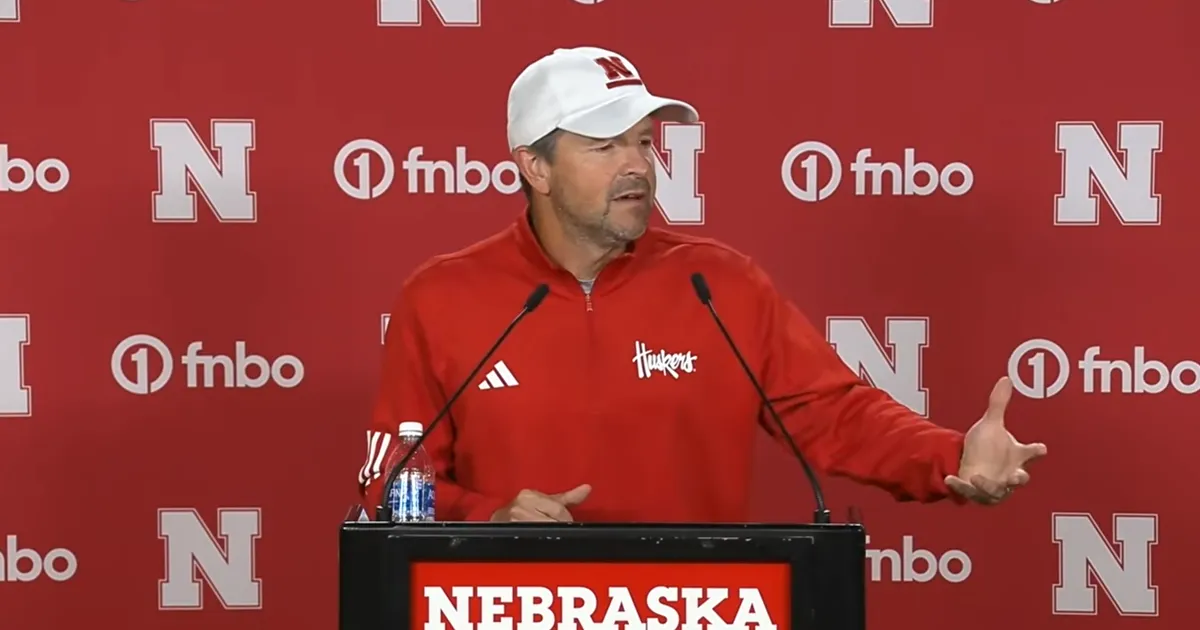
Husker fans, four coaches went to the podium Tuesday. Different rooms, different position groups, different questions.
They all described the same thing.
The tight ends
Marcus Satterfield put a number on it, and it’s the number worth remembering:
“The play is going to last six or seven seconds a lot of times, and you’ve got to be ready to put your foot in the ground and go catch up with him.”
Then the part that tells you how they’re preparing for it:
“Any eligible receiver on the field with Anthony is a moving target.”
They’ve been drilling scramble situations daily since the first day of spring. Not as a wrinkle… as a category.
The run game
Lonnie Teasley doesn’t coach anybody who catches passes, and he got there from a completely different direction… arithmetic.
“Any time you can get plus-one in the run game with the quarterback, that’s just another body. Whether he’s running or not, that’s somebody the defense is assigning to him… which lessens one person in the box for us.”
One fewer defender in the box. That’s the whole argument, and it’s the reason a mobile quarterback shows up in the run numbers of players who never touch the ball.
The backs
EJ Barthel said it in the plainest terms of anybody:
“It’s our best friend. It’s like having an extra running back you’ve got to defend for. It takes a lot of pressure off of us… of them being able to load the box up and tee off on us.”
His freshman Jamal Rule described the same thing from inside it: “Be ready for anything. Scramble drill, being ready to block a little bit longer so we can get the ball off.”
And Mekhi Nelson put it in a defender’s shoes. “If they try to come after us too much, he can pull the ball and run. The defense has to take a split second more to really make sure we have the ball… and that’s all we need.”
The complication
Here’s what makes this reporting instead of a press release. Glenn Thomas, the co-offensive coordinator who works with him every day, volunteered the problem.
Anthony Colandrea processes too fast.
“Sometimes there’ll be a guy pop open and he’s just getting through progressions too fast.”
Read that again. The knock isn’t that he’s slow to see it. It’s that he’s already past it.
“Process over results… that’s kind of been a quote that we talk about. Could I have handled this a little bit different, and maybe next time I get to that receiver, as opposed to getting all the way to my third or fourth in progression?”
Thomas said Colandrea’s retention “probably exceeds expectations,” and that plenty of quarterbacks are great in the classroom and can’t do it at speed. This one can. The coaching now is about slowing a strength down enough to use it.
He also delivered the best line of the day on the subject:
“We kind of joke… never apologize for touchdowns.”
What it adds up to
Four coaches, four rooms, one quarterback. Nobody compared notes.
The tight ends are chasing him for seven seconds. The offensive line is playing against one fewer defender. The backs are getting a lighter box. And the man teaching him is trying to get him to look at his second read a beat longer.
Husker fans, that’s what changed in Lincoln. Eleven days.